How to Fix a Printer That Is Not Detected (Complete Detection & Recognition Troubleshooting Guide)
When your computer or phone simply can’t find your printer, printing grinds to a halt. This beginner-friendly guide explains why detection fails and walks you through fixing an undetected USB, wireless, or network printer on Windows and macOS — from the quickest checks to advanced network fixes.
Applies to: USB, wireless & network printers, Windows 11 & Windows 10, macOS 12 and later, Newly installed & previously working printers
Quick summary
- The problem
- Your computer or device can’t detect the printer, so it never appears to select or print to — whether it’s connected by USB, Wi-Fi, or your network.
- The fix
- Work from the simplest checks up: confirm power and cables, put the printer and computer on the same network, restart both plus the router, run printer discovery again, then reinstall the driver, check Device Manager or Printers & Scanners, verify the network address, and re-add the printer.
- Applies to
- USB, wireless, and network printers on Windows 11, Windows 10, and macOS.
On this page Show
Understanding the problem
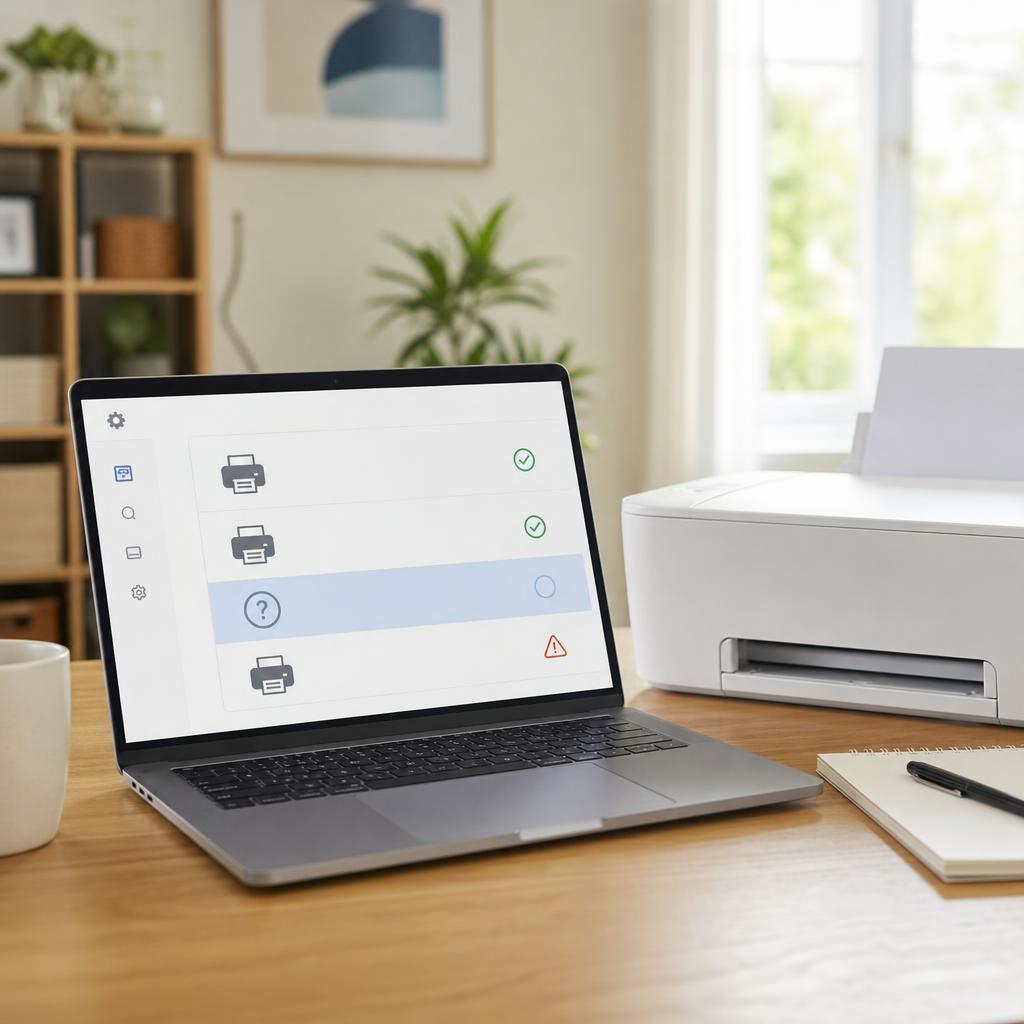
A printer is "not detected" when your computer or device simply can’t see it at all. It doesn’t show up in the list of available printers, it won’t appear when you try to add it, and any attempt to print has nowhere to go. This is different from a printer that shows offline or won’t print — in those cases the computer knows the printer exists but can’t reach it. When a printer isn’t detected, the connection between the two was never made in the first place.
Detection is how your computer discovers a printer and confirms it can talk to it. Over USB, that happens through the cable the moment both devices are powered on and a driver is present. Over Wi-Fi or a network, the computer looks for the printer across the same network using discovery protocols, then connects using the printer’s network address. Either way, three things must line up: a working physical or wireless connection, both devices reachable to each other, and the right driver so the computer knows what it’s found.
When any one of those breaks, detection fails — a loose cable, a printer on a different Wi-Fi network, a missing or corrupted driver, or network settings that block discovery. The good news is that detection problems follow a predictable order, so you rarely need to guess. This guide starts with the quick physical checks that solve most cases and moves step by step toward the network and driver fixes for the stubborn ones, on both Windows and macOS.
Tip
Match the paper setting to the paper
Choosing the correct paper type in the print dialog changes how much ink is used and can noticeably improve print quality.
Signs you're in the right place
If you're seeing any of these, this guide is for you.
-
The printer doesn’t appear in available devices
It’s missing from the list of printers you can select or print to.
-
The computer can’t find the printer
Your computer reports it can’t locate the printer when you try to use or add it.
-
Add Printer search returns no results
You run the "add a printer" search and nothing shows up to select.
-
A USB printer isn’t recognised
You’ve plugged in the cable, but the computer doesn’t react or detect anything.
-
A wireless printer is missing
The printer is on and connected to Wi-Fi, but your devices still can’t see it.
-
Scanner functions are unavailable
On an all-in-one, neither printing nor scanning works because the device isn’t detected.
-
The printer disappears after restarting
It shows up for a while, then vanishes from the list after you reboot.
-
"No printer found" error message
Software or the add-printer tool displays a message saying no printer could be found.
What's usually behind it
The most common reasons this happens, so the fix makes sense.
A loose or damaged USB cable
A cable that’s not fully seated, faulty, or plugged into a bad port stops the computer detecting a USB printer.
The printer is powered off
A printer in standby, asleep, or switched off at the wall can’t be discovered at all.
The printer is on a different Wi-Fi network
If the printer and computer aren’t on the same network, they can’t find each other — a common issue with dual-band routers.
The driver isn’t installed
Without the right driver, your computer has no way to recognise or communicate with the printer.
Driver corruption
A damaged or partially installed driver can stop the printer being detected properly.
Network discovery is disabled
If network discovery is turned off on your computer, it won’t search for or find network printers.
A firewall is blocking discovery
Firewall or security software can block the discovery traffic a computer uses to find printers.
An incorrect IP address
A network printer whose IP address has changed or is set wrong won’t be reachable at the address your computer expects.
An operating system update
A Windows or macOS update can change network or driver settings and break detection until things are refreshed.
A printer firmware issue
Outdated or glitchy printer firmware can interfere with how the printer announces itself on the network.
Router configuration changes
A new router, changed network name or password, or altered settings can cut the printer off from your devices.
What you'll need
Have these on hand before you start for a smooth fix.
-
The printer powered on and ready
Let it finish waking up or starting before you look for it.
-
A USB cable or working Wi-Fi
Have the cable to hand for USB printers, or confirm your Wi-Fi is working for wireless ones.
-
Your Wi-Fi network name
You’ll need to confirm the printer and computer are on the same network.
-
Access to the printer’s control panel or buttons
Used to check the printer’s network status and, if needed, reset it.
-
Administrator permissions on the computer
Reinstalling drivers or changing network settings needs an admin account.
-
Your printer’s model number
Usually on a label on the printer — handy for downloading the correct driver.
How to fix it
Work through these in order — they run from the quickest checks to the more advanced fixes.
-
Step 1: Verify the printer is powered on and awake
Check that the printer is switched on at the wall and its control panel or power light is lit.
Press a button or tap the screen to wake it from sleep, and wait for it to finish starting up.
Look for any error or warning shown on the display and clear it before continuing.
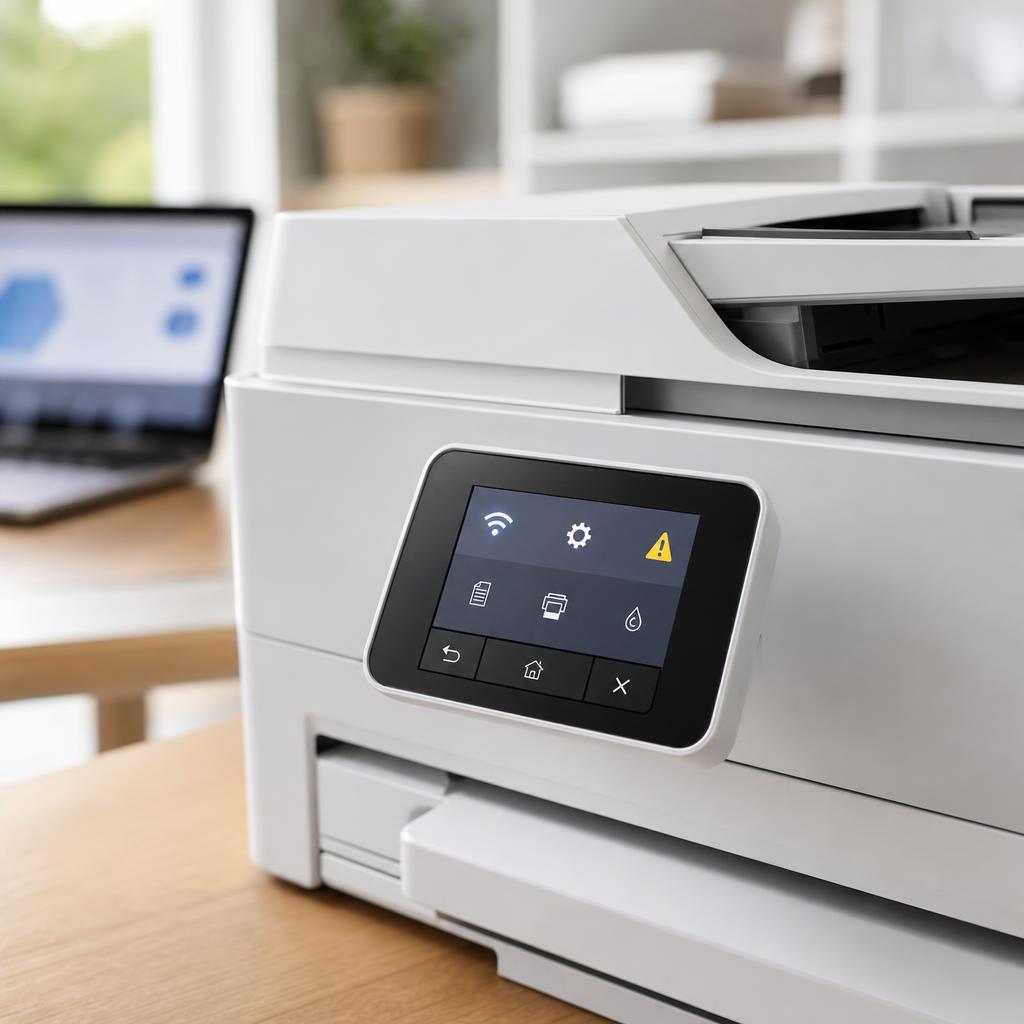
Why this works: A printer that’s off, asleep, or mid-startup can’t be discovered. This is the single most common reason a printer "vanishes", and it takes seconds to rule out.
Expected result: The printer is fully powered on, awake, and showing a ready status.
The control panel is lit and the printer is ready, with no errors.
-
Step 2: Check the cables and connections
For a USB printer, reseat the cable firmly at both ends and plug it directly into the computer, not a hub.
Try a different USB port, and if you can, a different cable — faulty cables are a frequent culprit.
For a network printer connected by Ethernet, confirm the network cable is secure and the port light is active.
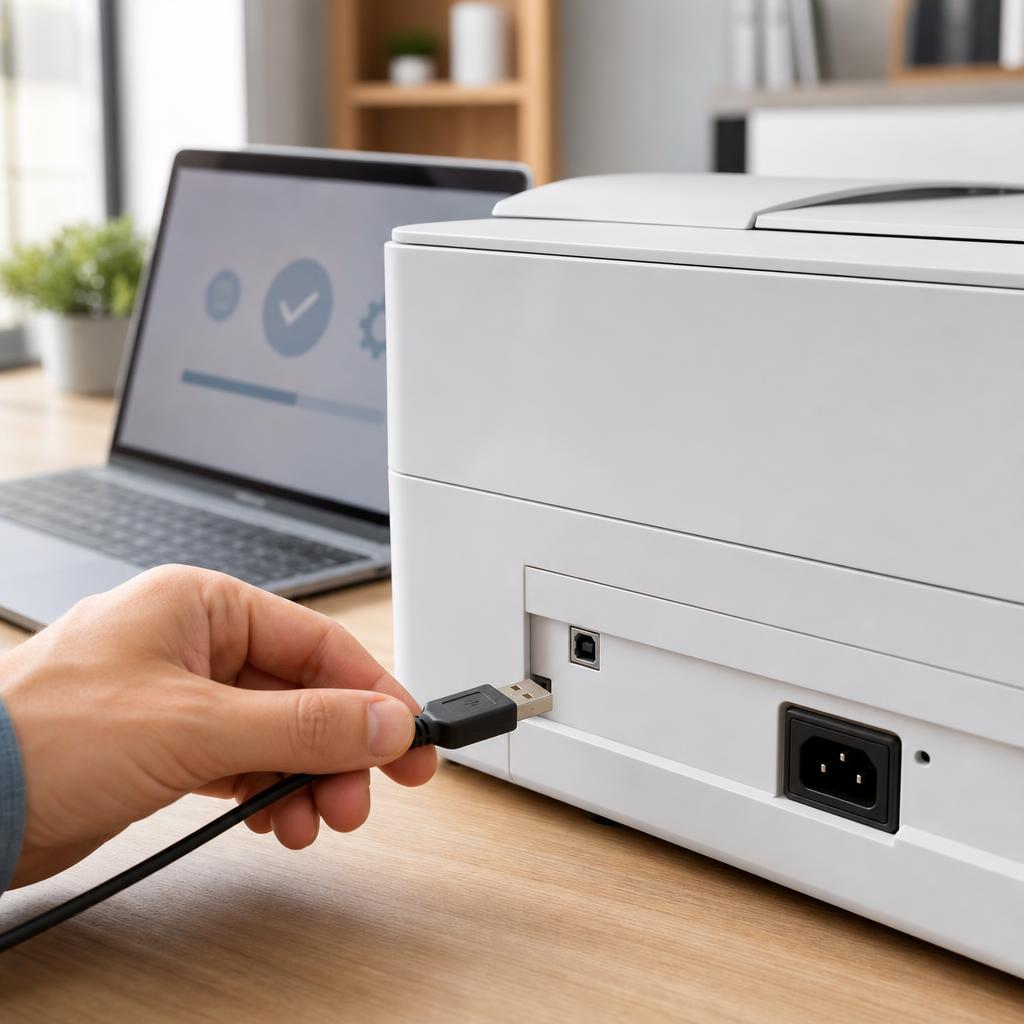
Why this works: Detection over USB depends entirely on a solid physical link. A loose, damaged, or wrong-port connection is one of the easiest problems to miss and one of the most common causes.
Expected result: The printer has a firm, direct connection to the computer or network.
Avoid USB hubs and extension cables while troubleshooting — connect directly where possible.
-
Step 3: Restart the printer and computer
Turn the printer off, wait about 30 seconds, and turn it back on.
Restart your computer fully so it re-scans for connected devices as it starts.
Once both are back up, check whether the printer now appears.
Why this works: A restart clears temporary glitches and forces both devices to look for each other again. Many detection problems disappear after a clean power cycle of both.
Expected result: Both devices restart and re-attempt to detect each other.
-
Step 4: Verify the Wi-Fi connection (wireless printers)
Use the printer’s control panel to confirm it’s connected to your Wi-Fi and note the network name.
Check that your computer is on the exact same network — not a guest network or a separate 5 GHz band with a different name.
If the printer isn’t connected, run its wireless setup to join the correct network.
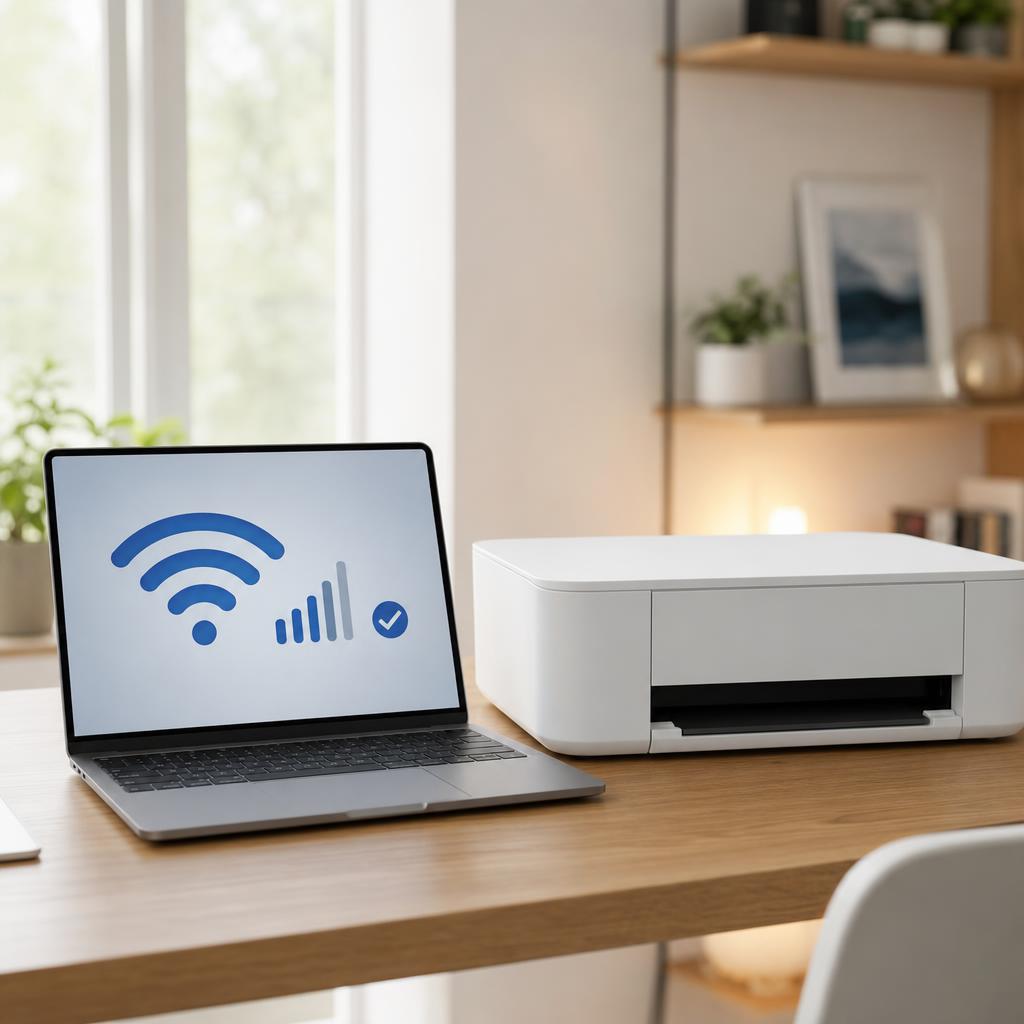
Why this works: A wireless printer can only be found if it’s on the same network as your computer. Devices split across two networks — a common effect of dual-band routers — simply can’t see each other.
Expected result: The printer and computer are confirmed on the same Wi-Fi network.
If your router shows two network names (2.4 GHz and 5 GHz), put both devices on the same one while troubleshooting.
The printer shows a connected Wi-Fi status on the same network as your computer.
-
Step 5: Restart your router
Unplug the router, wait about 30 seconds, then plug it back in and let it fully restart.
Wait for all the status lights to return to normal before testing.
Reconnect and check whether the printer is now discoverable.
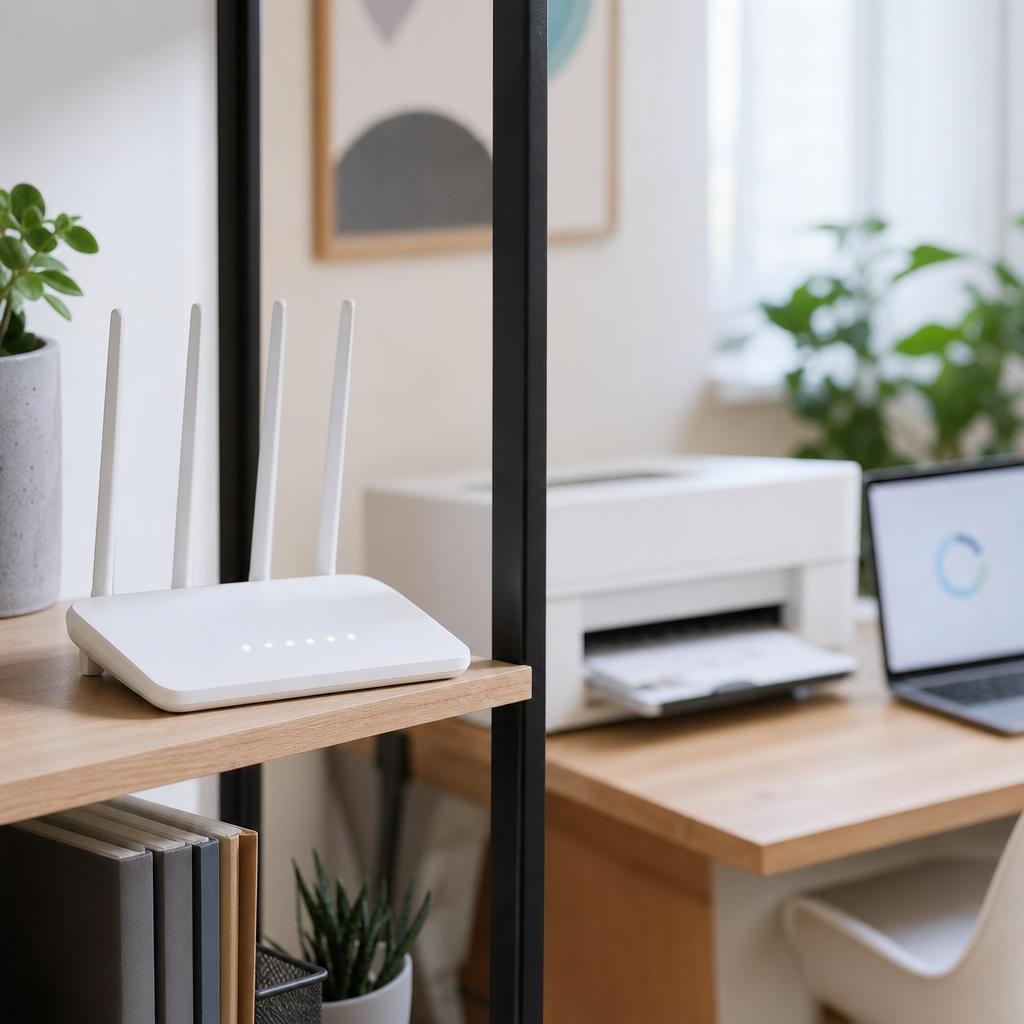
Why this works: The router is the meeting point for every wireless device. Restarting it clears network glitches and refreshes address assignments, which often restores a printer that dropped off the network.
Expected result: The router restarts and the printer rejoins the network cleanly.
-
Step 6: Run printer discovery again
On Windows, open Settings → Bluetooth & devices → Printers & scanners and choose "Add device".
On macOS, open System Settings → Printers & Scanners and click the Add (+) button.
Give it a moment to search, then select your printer when it appears in the list.
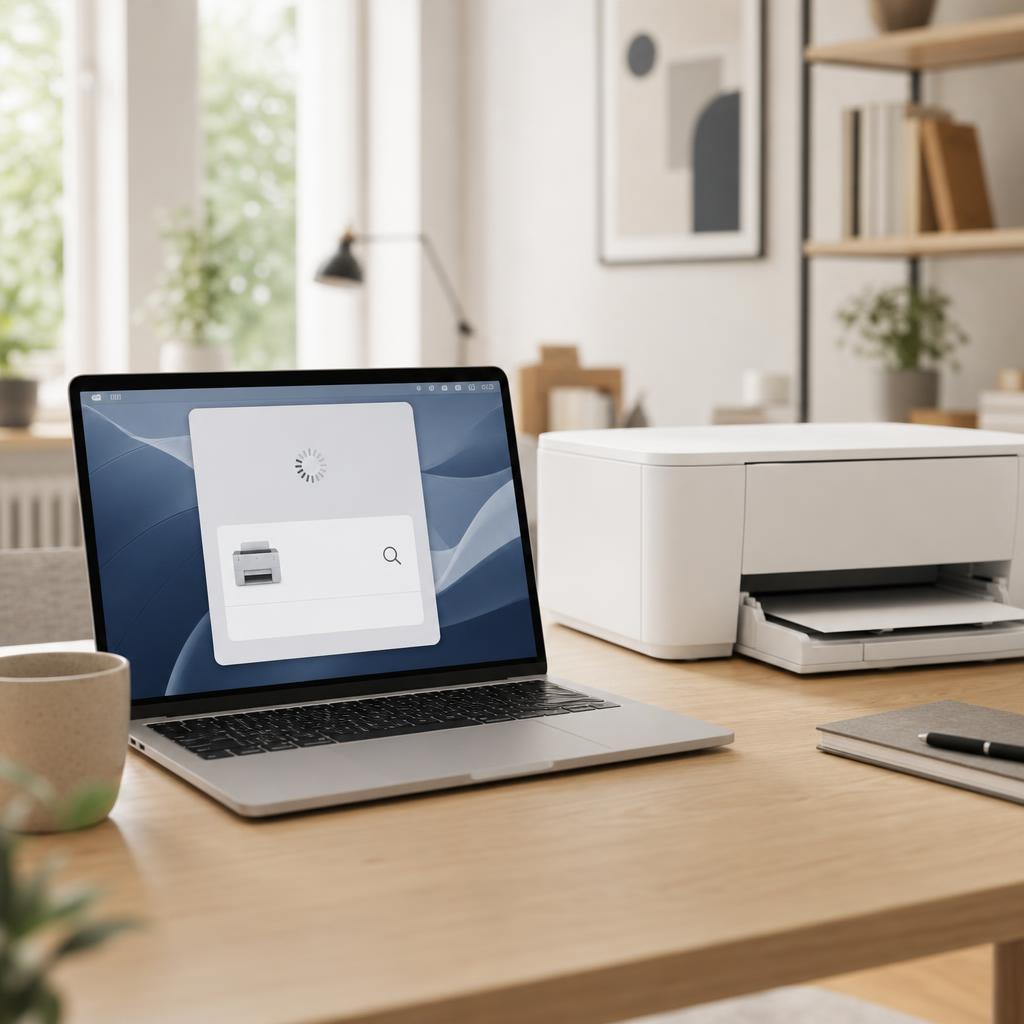
Why this works: Once power, cables, and network are sorted, running discovery again lets the computer find the printer under the corrected conditions. Often this is the moment it finally shows up.
Expected result: The printer appears in the discovery list and can be selected.
If it still doesn’t appear, leave the search open for a minute — some printers take a little time to respond.
-
Step 7: Install or reinstall the printer driver
If the printer still isn’t recognised, download the correct driver for your exact model and operating system from the manufacturer’s official website.
Remove any existing printer entry first, then run the installer and follow the prompts.
Restart the computer afterward so the new driver registers fully.
Why this works: Without a working driver, your computer can detect the hardware but not identify it as a usable printer. A missing or corrupted driver is one of the top software causes of detection failure.
Expected result: The correct driver is installed and the printer is recognised by the system.
Choose the "full feature" driver if offered, so scanning works on all-in-one devices.
-
Step 8: Check Printers & Scanners settings
Open Printers & scanners (Windows) or Printers & Scanners (macOS) and look for your printer in the list.
Remove any duplicate, offline, or "unknown" entries for the same printer that could be getting in the way.
If the printer is listed but greyed out, remove it so you can add it fresh in a later step.
Why this works: Leftover or duplicate printer entries confuse the system and can hide a working connection. Clearing them gives detection a clean slate.
Expected result: Only correct, current printer entries remain in your settings.
-
Step 9: Check Device Manager (Windows)
Right-click the Start button, open Device Manager, and expand "Printers" and "Print queues".
Look for your printer, or an "Unknown device" with a yellow warning triangle, which points to a driver or connection problem.
Right-click it and choose "Update driver", or "Uninstall device" and then reconnect to let Windows detect it again.
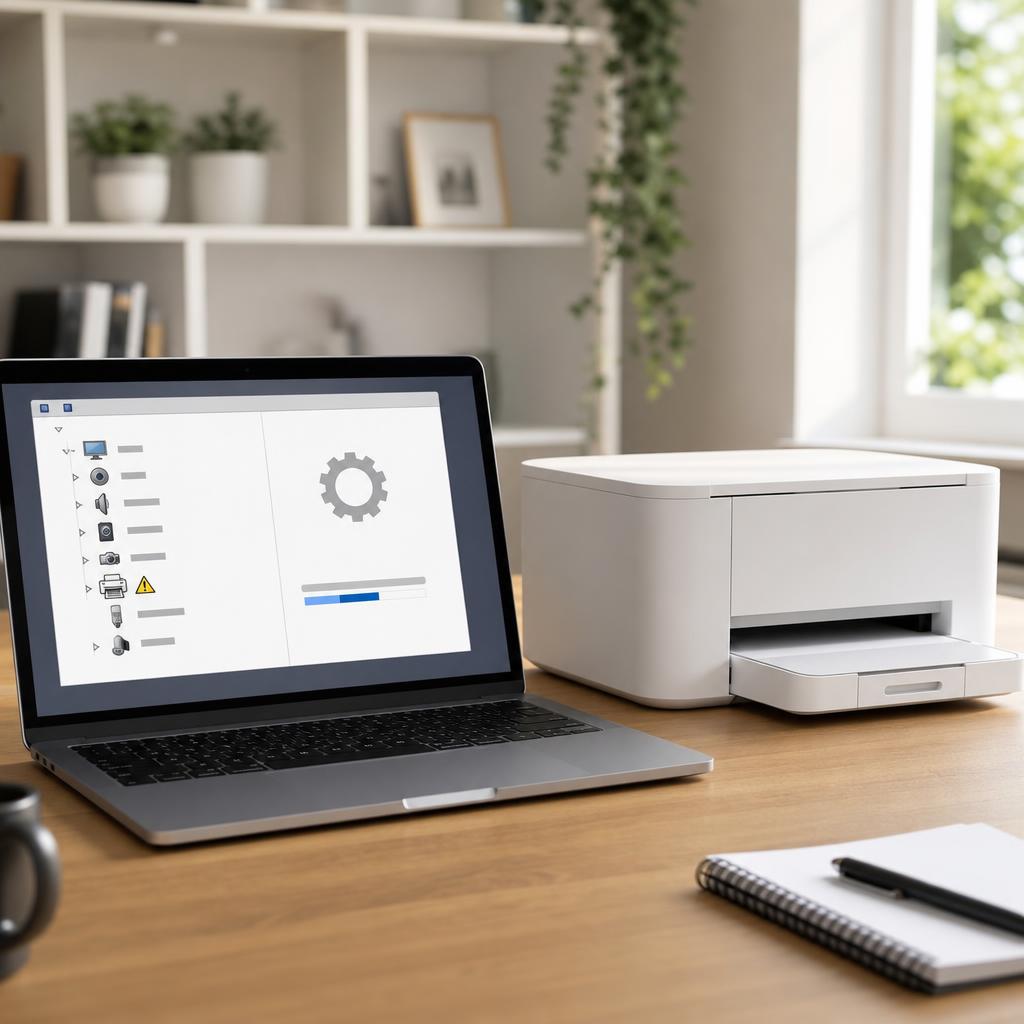
Why this works: Device Manager shows how Windows sees the hardware at the lowest level. A warning icon here confirms the computer detects something is connected but can’t use it yet — usually a driver fix.
Expected result: The printer appears in Device Manager without a warning icon.
This step is Windows-only; on macOS, removing and re-adding the printer in Printers & Scanners does the equivalent.
-
Step 10: Verify the printer’s network IP address
Print or view the printer’s network configuration from its control panel to find its current IP address.
If you added the printer manually before, make sure the address you used still matches the printer’s current one.
For a reliable network printer, set a static IP or a DHCP reservation in your router so the address stops changing.
Why this works: Network printers are reached by their IP address, and that address can change when the router reassigns it. If it no longer matches, the computer looks in the wrong place and detection fails.
Expected result: The printer’s IP address is known and matches what your computer uses to reach it.
A static IP or DHCP reservation prevents this from happening again.
-
Step 11: Reset the printer’s network settings
If a wireless printer still can’t be found, use its control panel to reset the network settings to defaults.
Run the wireless setup again to reconnect it to the correct network.
Then repeat printer discovery on your computer to add it fresh.
Why this works: A network reset clears any corrupted or leftover wireless configuration on the printer itself, which is often what keeps it invisible after router or password changes.
Expected result: The printer reconnects to Wi-Fi cleanly and becomes discoverable.
A network reset only clears connection settings — it won’t erase your documents or other setup.
-
Step 12: Update firmware and re-add the printer
Update the printer’s firmware from its control panel or the manufacturer’s software if an update is available.
Add the printer again through Printers & scanners (Windows) or Printers & Scanners (macOS).
Set it as your default and print a test page to confirm everything works.
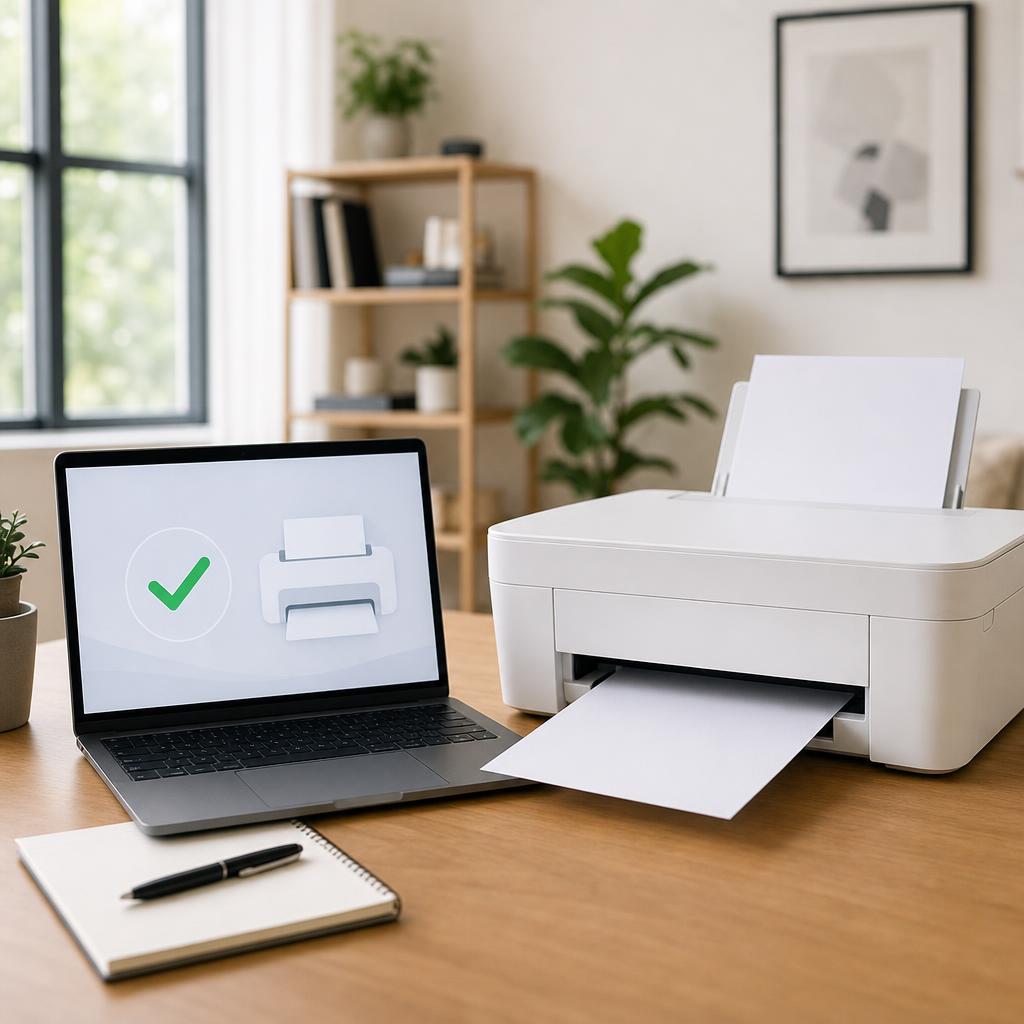
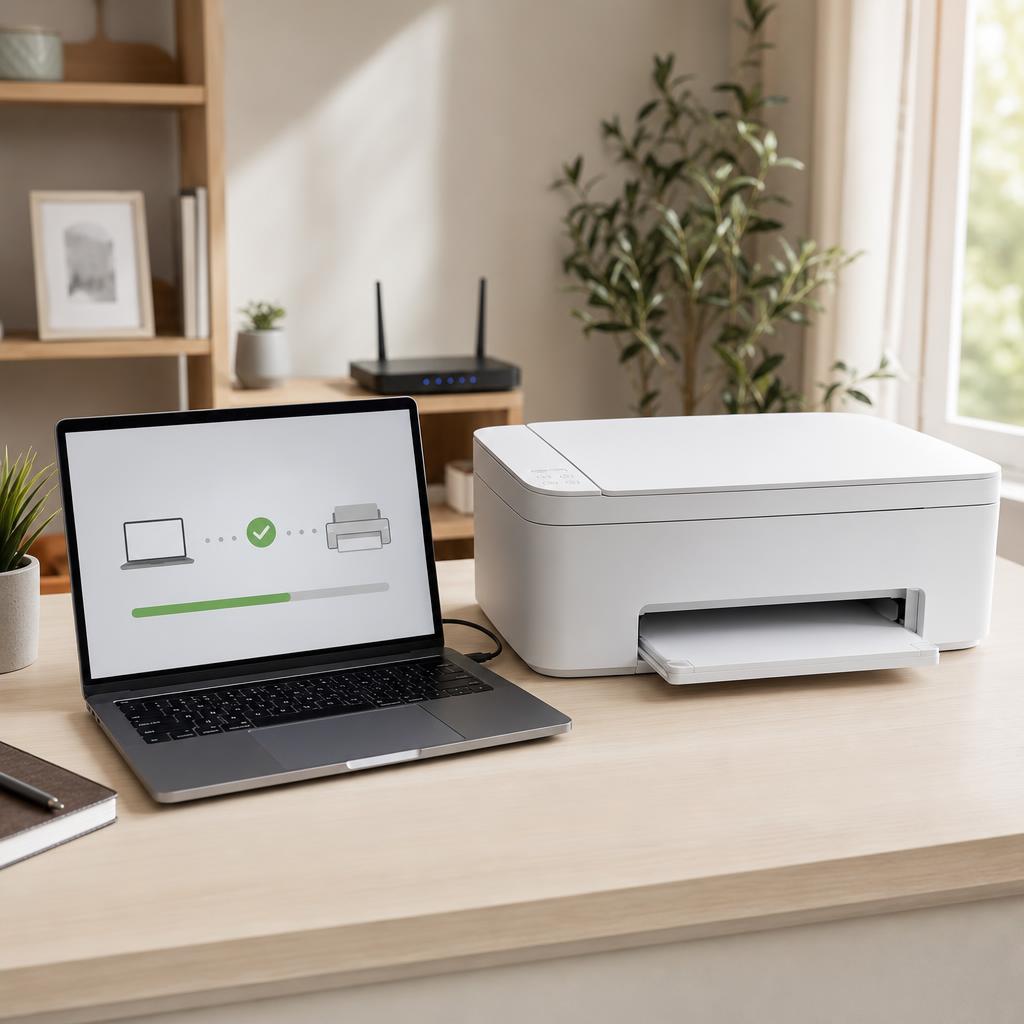
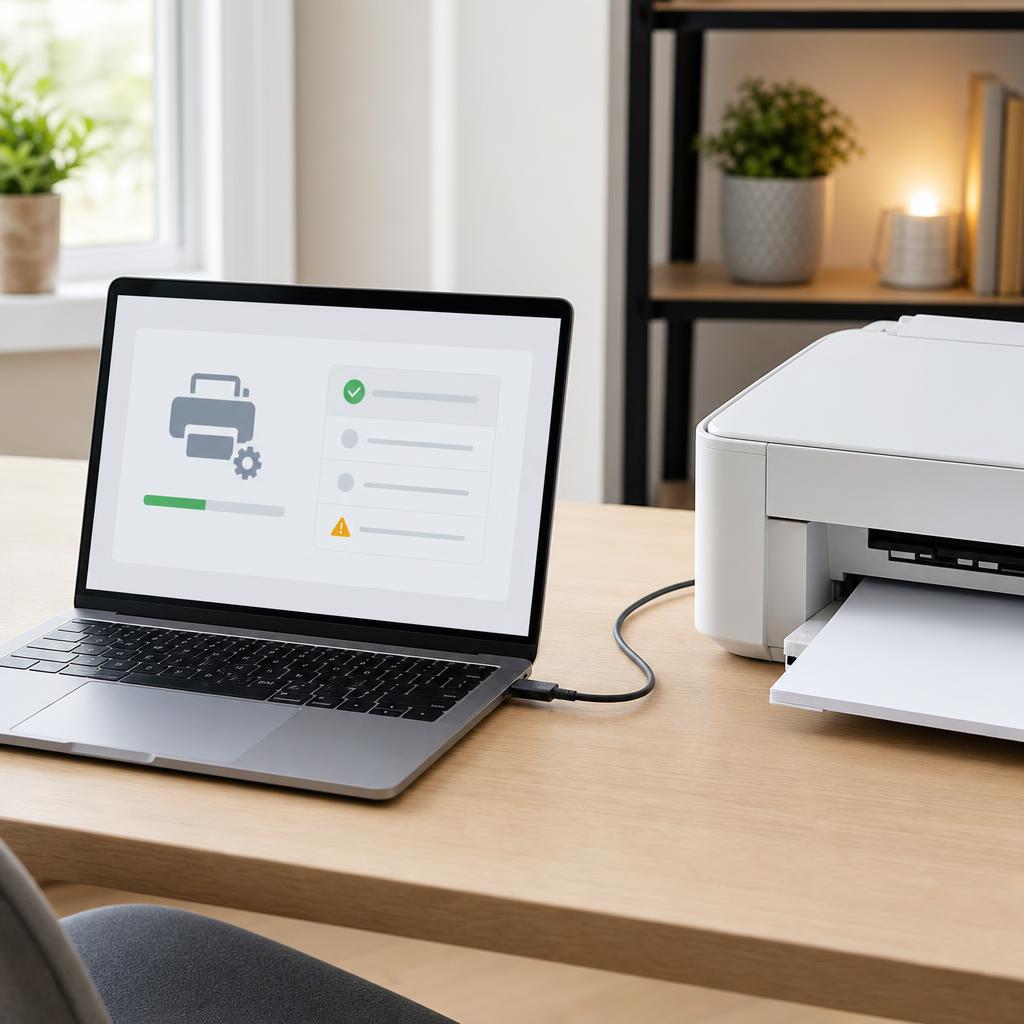
A detected printer, a green status, and a clean test page confirm the connection is restored. Why this works: Firmware updates fix bugs that can stop a printer announcing itself on the network, and re-adding it after all the fixes above creates a fresh, correct connection.
Expected result: The printer is detected, added, set as default, and prints a test page.
A test page prints and the printer stays visible after a restart.
Tip
Printer Tip
Keep your printer driver updated so it stays compatible with your operating system.
Other solutions to try
If the steps above didn't do it, these fixes resolve the less common cases.
On Windows
Windows has built-in tools to find printers and diagnose why one isn’t showing up.
- Turn on network discovery: Settings → Network & internet → Advanced network settings → Advanced sharing settings, and enable network discovery for your current profile.
- Add a network printer manually via Printers & scanners → Add device → "The printer that I want isn’t listed", then enter its IP address.
- Run the printer troubleshooter under Settings → System → Troubleshoot → Other troubleshooters.
- Temporarily disable third-party firewall or antivirus software to check whether it’s blocking discovery, then re-enable it afterward.
On macOS
macOS finds most printers automatically through AirPrint and Bonjour, so detection issues are usually connection-related.
- Open System Settings → Printers & Scanners and click Add (+); wait for the printer to appear as an AirPrint or Bonjour device.
- Add a network printer by IP: in the Add window, choose the IP tab and enter the printer’s address.
- Make sure your Mac and the printer are on the same Wi-Fi network, not a guest network.
- If a listed printer misbehaves, select it, click the minus (−) button to remove it, then add it back to force a fresh detection.
Confirm it's working
Tick these off to be sure the problem is fully resolved.
Keep it from happening again
A few habits that stop this problem coming back.
- Keep your printer driver updated so it stays compatible with your operating system.
- Maintain a stable Wi-Fi connection and keep the printer within good signal range.
- Assign a static IP or DHCP reservation to network printers so their address never changes.
- Avoid changing your network name, password, or router settings unnecessarily.
- Restart your printer and router after major operating-system or router updates.
- Keep your printer’s firmware current to fix connection and discovery bugs.
Frequently asked questions
Was this guide helpful?
Your feedback helps us keep these steps accurate.
Thanks for your feedback!
Written by
The Guts Guide Editorial Team · Printer Connectivity Specialists
Reviewed by
Daniel Owens · Print & Network Technician
Last updated
July 2026
Continue Reading
Pick up where you left off with the next guide in your troubleshooting journey.
Related Guides
More troubleshooting walkthroughs you may find useful.

Buying Guides
Plain-English comparisons and pre-purchase checklists — find the right printer before you buy.